
Angiodroid is Commitment
OUR COMMITMENT DEFINES US
At Angiodroid, commitment is more than a value—it is the principle inspiring every innovation in CO2 angiography.
We empower clinicians with safer, reliable, renal-friendly imaging solutions designed for the patients who need them most.
Commitment as a Corporate Standard
For Angiodroid, commitment is a discipline. It means delivering technologies that are scientifically sound, operationally efficient, and clinically meaningful. It also means understanding the daily challenges of vascular specialists—and responding with clarity, precision, and responsibility.
Commitment to Safer Imaging
Our goal is simple: to make safer imaging the global standard of care. Through advanced CO2 delivery systems and continuous research collaboration, we support clinical decision-making where iodinated contrast agents carry unnecessary risk.
- Fully automated CO2 injection technology
- Consistent, high-quality angiographic imaging
- Optimized workflows for interventional teams
- Scientific partnerships with hospitals worldwide
Commitment to Excellence
Excellence is not an achievement, but a continuous process. We invest in engineering, training, and clinical support to ensure that every Angiodroid system delivers reliability, reproducibility, and operational fluency.
Commitment to the CO₂mmunity
We stand with a global community of clinicians who believe in a safer approach to vascular imaging. Through shared experiences, evidence, and innovation, we are shaping a new culture of responsible angiography.
Commitment You Can Measure
Our commitment is tangible and measurable. We collaborate with clinical partners worldwide to improve outcomes and make safer imaging practices broadly available.
- +800 clinical departments engaged in CO2 Angiography
- Presence in 60+ countries
- 10+ years of dedicated R&D in CO2 angiography
- Thousands of procedures supported annually
Angiodroid is Evolution
WE'RE SHAPED BY EVOLUTION
From humble beginnings to increasingly ambitious goals, Angiodroid has been constanstly raising the bar of what's attainable.
Just like all living beings, we grow and adapt to become the best version of ourselves.
From vision...
Protecting the more fragile patients and their kidneys is the main driver our company.
As ICM is one of the main casuses of CIN and allergic reactions, Carbon Dioxide has been used since 1971 as unique and most valid alternative to iodine contrast medium in angiography for its totally un-allergic and non-toxic qualities; this is what led Sebastiano Zannoli to found Angiodroid in 2013.
Since then, our mission has taken us all over the world.
...to execution...
Throughout the years, the imaging technology has improved to a point that already impressive CO₂ images are virtually indistiguishable from ICM ones. This is a comparison between ICM and CO₂:
...to future endeavors
As the world changes, so are we; we're proud to be part of some groundbreaking clinical trials that aim to make the world a safer and healthier place, including:
- PeriPREVENT, investigating the short- and long-term impacts of contrast media on kidney health. With thousands of patients receiving contrast agents daily, this research is crucial in addressing the ongoing debate about their potential nephrotoxic effects;
- KID trial, which will evaluate whether using CO₂ instead of iodinated contrast reduces the risk of AKI and short-term renal function decline in this high-risk group.
In the meantime, as Angiodroid reached its 10th year, the company turned from Srl (Limited Liability Company) to SpA (Joint Stock Company); looking back, we went a long way. Looking forward, we still have a long way to go, and we'll always have, because evolution never stops.
Angiodroid is Preservation
PRESERVATION IS THE KEYWORD
Not all patients are the same: many of them are more fragile than others, and it's Angiodroid's goal to preserve their health in the safest way.
That is the meaning behind #SaveTheKidneys, our tagline.
Recent data highlights a significant challenge: in 2021, 11% of the world's adult population—approximately 537 million people—were living with diabetes. This number is projected to rise to 12% (783 million people) by 2045. For many of these individuals, diabetes does not exist in isolation. It often brings complex comorbidities that require specialized care.
The intersection of Diabetes, PAD and Kidney Health
The relationship between diabetes and other chronic conditions is profound. Notably:
- Peripheral Artery Disease (PAD): 40% of patients with PAD suffer from both diabetes and Chronic Kidney Disease (CKD)
- Diabetic Nephropathy: Roughly 107 million people worldwide are affected by type II diabetic nephropathy
These "fragile patients" require optimized treatment options to protect their overall health, particularly their kidney function.
A Safer Path in Endovascular Procedures
When diabetic patients with CKD must undergo endovascular procedures, the choice of contrast media is critical. Traditional iodinated contrast media can increase the risk of contrast-induced Acute Kidney Injury (AKI).
Carbon dioxide (CO₂) offers a significant clinical advantage in these cases, because it avoids the risks associated with iodinated media.
Putting Patient First
In the month of World Kidney Day, the focus for us remains on providing "best-in-class care" for vulnerable patients all around the world.
By prioritizing kidney health and utilizing alternatives like CO₂ when appropriate, medical professionals can better serve the millions of people navigating the complexities of chronic diseases.
There is no motivation like preservation
Angiodroid is Continuous training
KNOWLEDGE IN MOTION
At Angiodroid, innovation doesn’t stop at technology. It extends to people—how they learn, how they grow, and how they apply knowledge in real clinical environments.
Continuous training.
Real impact.
We believe that advancing CO₂ angiography requires more than delivering cutting-edge solutions. It requires empowering the professionals who use them.
That’s why continuous education is at the core of what we do.
Through hands-on workshops, live case discussions, and dedicated training programs, we support interventional radiologists, vascular surgeons, and medical staff in mastering CO₂-based procedures, safely, effectively, and confidently.
From Theory to Practice
Our workshops are designed to bridge the gap between knowledge and application.
- Practical, case-based learning
- Direct interaction with experienced clinicians
- Real-world procedural insights
- Focus on patient safety and outcomes
Every session is an opportunity to translate innovation into everyday clinical excellence.
Learning as a Shared Responsibility
Training at Angiodroid is not only external—it’s deeply internal.
Across our teams and departments, we foster a culture of continuous learning:
- Cross-functional knowledge sharing
- Ongoing technical and clinical education
- Alignment between R&D, marketing, and field teams
Because when our people grow, the value we deliver to healthcare professionals grows with them.
Building Confidence in CO₂ Angiography
CO₂ is a powerful alternative in vascular imaging. But confidence in its use comes from experience, guidance, and repetition.
That's why we created the ACDA Academy, a growing and varied community which involves not only cardiologists, radiologists and vascular surgeons, but also scholars, professors and experts in the field of angiography and radiological imaging.
This community was established to pursue three goals:
- disseminate and improve the culture of Automated Carbon Dioxide Angiography and raise public awareness about this innovative methodology
- strengthen and consolidate the collaboration between top level centers around the globe that can boast an advanced experience on this injection technique, thanks to a constant exchange of knowledge and opinions
- support projects of clinical investigation all over the world through a scientific advisory board.
Angiodroid is Education
A continuous journey.
A shared mission.
A commitment to better outcomes through knowledge.
Angiodroid is Connection
Bringing people, ideas and stories together
At Angiodroid, connection is at the heart of everything we do.
It is what brings colleagues together, transforms individual skills into teamwork and allows ideas to grow through dialogue and collaboration. It is also what connects us with physicians, healthcare professionals, partners and distributors around the world, creating relationships built on trust, knowledge and a shared commitment to improving patient care.
Connection is not only about working together. It is about creating opportunities to listen, participate, learn from one another and feel part of something greater.
Connecting as a team
Our Summer Town Hall was an opportunity to step away from our everyday activities and spend meaningful time together as one big Angiodroid team.
The afternoon began at Spazio Cesuola, where colleagues gathered for a plenary session, with a special guest, LinkedIn Top Voice Marta Basso, to share company updates, ideas and perspectives.
After the coffee break, the day took an unexpected turn.
The recipe for success
The team-building activity brought us to ICOOK Taste&Share in Cesena, a cooking school and multifunctional space that also hosts corporate events and team-building experiences.
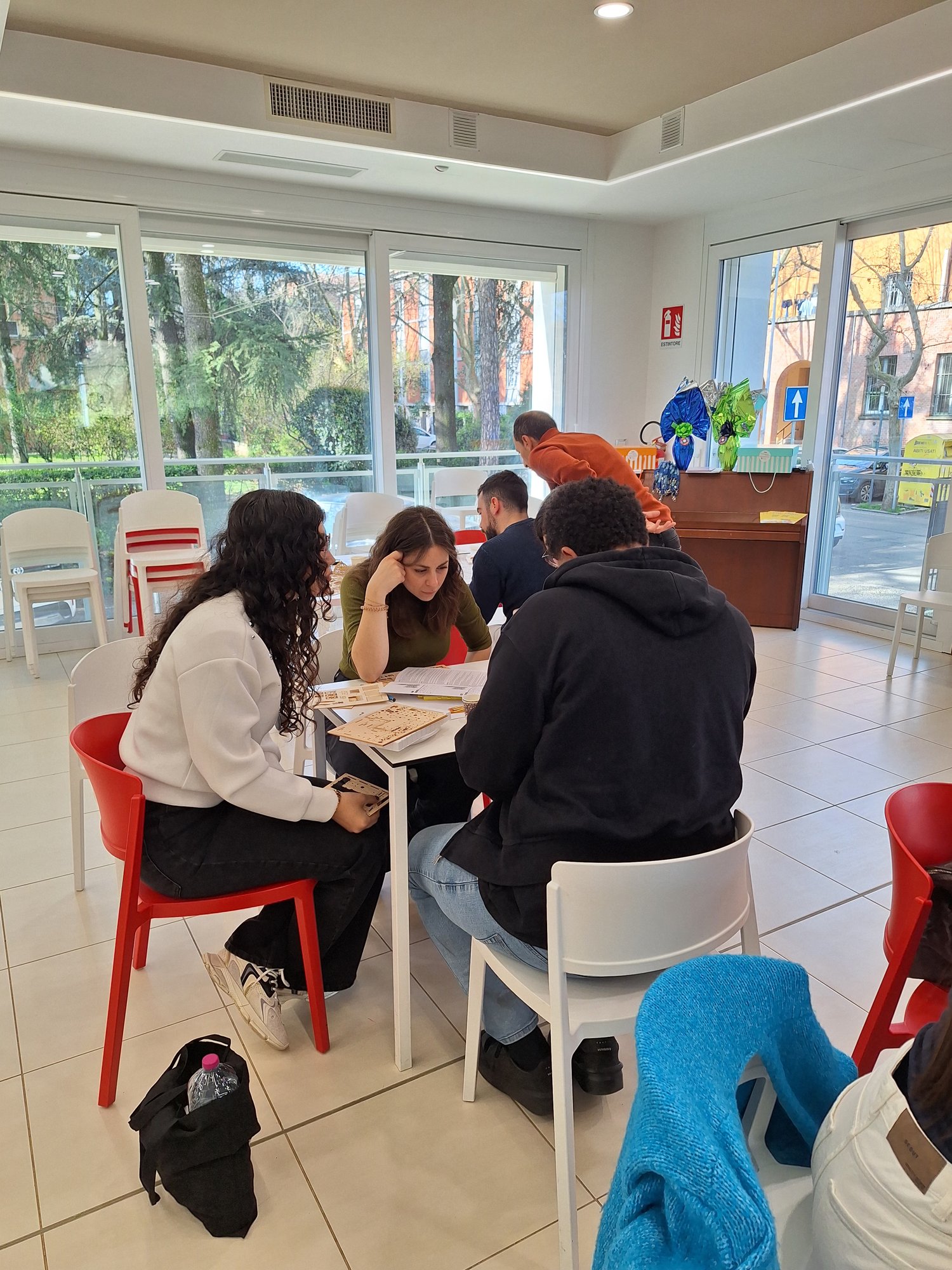
With the precious support of Chef Matteo Milandri and Maffi Zacchi, our colleagues exchanged their usual workplace roles for aprons and cooking stations, ready to compete in a lively cooking contest.
Divided into teams, we had to organise ourselves, share responsibilities, combine different ideas and work together toward a common result—all while having plenty of fun.
The experience created a natural opportunity for long-standing and recently arrived colleagues to get to know one another better. Away from meeting rooms, emails and everyday routines, everyone could contribute in a different way and discover new sides of the people they work with.
Some brought precision, some creativity, some leadership and others a much-needed sense of humour. Just like in every successful team, each person added an essential ingredient.
With the precious support of Chef Matteo Milandri and Maffi Zacchi, our colleagues exchanged their usual workplace roles for aprons and cooking stations, ready to compete in a lively cooking contest.
Divided into teams, we had to organise ourselves, share responsibilities, combine different ideas and work together toward a common result—all while having plenty of fun.
The experience created a natural opportunity for long-standing and recently arrived colleagues to get to know one another better. Away from meeting rooms, emails and everyday routines, everyone could contribute in a different way and discover new sides of the people they work with.
Some brought precision, some creativity, some leadership and others a much-needed sense of humour. Just like in every successful team, each person added an essential ingredient.
Old colleagues, new connections
Welcoming new people into a company means more than introducing them to their role.
It means helping them build relationships, understand the culture around them and feel that they are truly part of the team.
Sharing an experience such as the cooking contest helped break down barriers and encouraged spontaneous conversations between colleagues who may not normally work together. It strengthened existing relationships while creating new ones, reminding us that collaboration begins with knowing and trusting the people beside us.
The final dinner gave us the opportunity to celebrate the day together, share the results of our work and enjoy the connections we had created.
Connecting beyond our company
The same spirit extends outside Angiodroid.
Every day, we connect with healthcare professionals, hospitals, scientific communities, distributors and partners across different countries and cultures.
These relationships allow us to exchange knowledge, understand new perspectives and work together to advance the use of CO₂ angiography. Through congresses, clinical training, workshops and daily collaboration, every connection contributes to a wider network united by a common objective: supporting safer and more sustainable care for patients.
Behind every project, technology and achievement, there are people connecting with other people.
Connection makes us stronger
This Town Hall reminded us that the best results are created when people feel involved, valued and connected.
Connection allows us to welcome new colleagues, reinforce long-standing relationships and transform a group of individuals into a real team.
It helps us share ideas more openly, face challenges together and build lasting relationships both within and beyond our company.
Because different ingredients can create something extraordinary when they are brought together with a shared purpose.
We are Angiodroid
Connected by people, strengthened by collaboration.
Defying the status quo
For more than a century, Carbon Dioxide has had a place in medical imaging.
But having potential is not the same as reaching it.
For decades, CO₂ angiography remained a technique largely dependent on manual injection, individual experience and operator confidence. Its benefits were known, but its use could be complex. Reproducibility was difficult. Injection parameters were hard to standardize. And a contrast agent with unique characteristics remained, in many centers, an alternative reserved for selected patients.
At Angiodroid, we saw something different.
We saw a challenge
A challenge to transform CO₂ angiography from a manual technique into an automated one.
A challenge to make injections controlled and reproducible.
A challenge to turn individual experience into standardized protocols.
And ultimately, a challenge to rethink the role CO₂ could play in modern vascular care.
That challenge became Angiodroid.
CO₂ was not new. Our way of thinking about it was.
The story of CO₂ in medical imaging began long before Angiodroid.
Carbon Dioxide was already being explored as an imaging agent in the early twentieth century. Later, in the 1950s and 1960s, it was used in venous imaging, and in the 1970s Dr. Irvin Hawkins pioneered its intra-arterial use as a vascular contrast agent.
Then came another major step forward: Digital Subtraction Angiography.
With the development of DSA in the 1980s, a gas that had previously been difficult to visualize could produce increasingly useful vascular images.
The potential was there.
CO₂ offered characteristics unlike conventional iodinated contrast media: it is eliminated through respiration and has no direct nephrotoxic effect or allergenic potential. For patients in whom iodinated contrast represented a concern, CO₂ therefore offered an important alternative.
Yet one fundamental part of the procedure had changed very little.
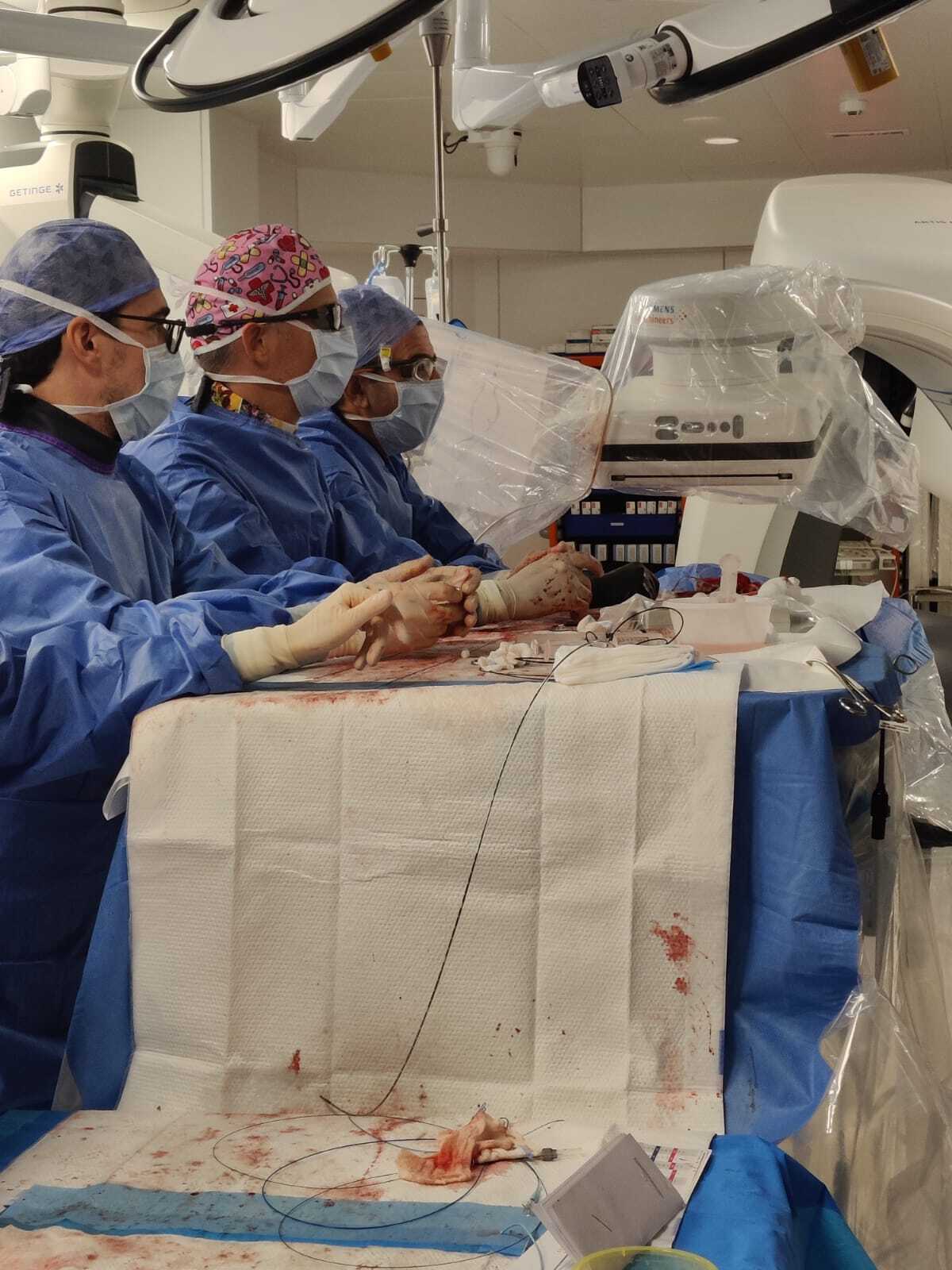
For years, CO₂ was commonly administered manually. Syringes, bags, stopcocks and hand-controlled delivery systems depended heavily on the operator. Injection volume, pressure and flow could vary from one injection to another and from one physician to another.
CO₂ angiography had evolved. Its delivery needed to evolve with it.
From manual to automatic
Manual injection had been part of CO₂ angiography for decades. So we asked a simple question:
Why should a modern angiographic procedure still depend on an uncontrolled manual injection?
A gas behaves differently from a liquid contrast medium. Its delivery requires specific control and understanding of pressure, volume and flow.
Angiodroid transformed these variables from something largely dependent on the operator's hand into parameters that could be set, controlled and reproduced.
With automated CO₂ injection, clinicians could select the required parameters and let the system manage the delivery.
The result was more than automation. It was the beginning of standardization.
.jpeg "WhatsApp Image 2026-05-25 at 15.10.36 (2)")
2013: a challenge becomes a company
In 2013, Angiodroid was founded around a conviction:
if CO₂ could help protect patients, the technology used to deliver it had to become better.
Clinical knowledge, engineering and a different way of looking at angiography came together around one objective: create a dedicated system capable of making CO₂ delivery more controlled, repeatable and practical in everyday clinical practice.
That vision led to Angiodroid The CO₂ Injector, a fully computerized automatic injection system designed specifically for Carbon Dioxide angiography.
But developing a device was only the first challenge.
Changing a practice would prove much bigger.
Challenging variability
In medicine, an excellent result achieved once is not enough. It must be achievable again. And again.
CO₂ angiography had traditionally required a significant degree of experience. Different anatomies, different vascular districts and different procedures demanded different injection approaches.
Angiodroid introduced the possibility to digitally manage injection pressure and volume and to use preset parameters according to the vascular district, while still allowing clinicians to adapt settings to individual procedural needs.
This helped move CO₂ angiography toward a more consistent and reproducible methodology.
Because when technology reduces unnecessary variability, expertise can be shared.
And when expertise can be shared, a technique can grow.
.jpeg?width=1024&height=768&name=WhatsApp%20Image%202022-12-17%20at%2010.55.54%20(1).jpeg "WhatsApp Image 2022-12-17 at 10.55.54 (1)")
Challenging the limits of CO₂
Can CO₂ replace iodine when iodine cannot be used?
Today, the question is becoming very different:
How much more can we do with CO₂?
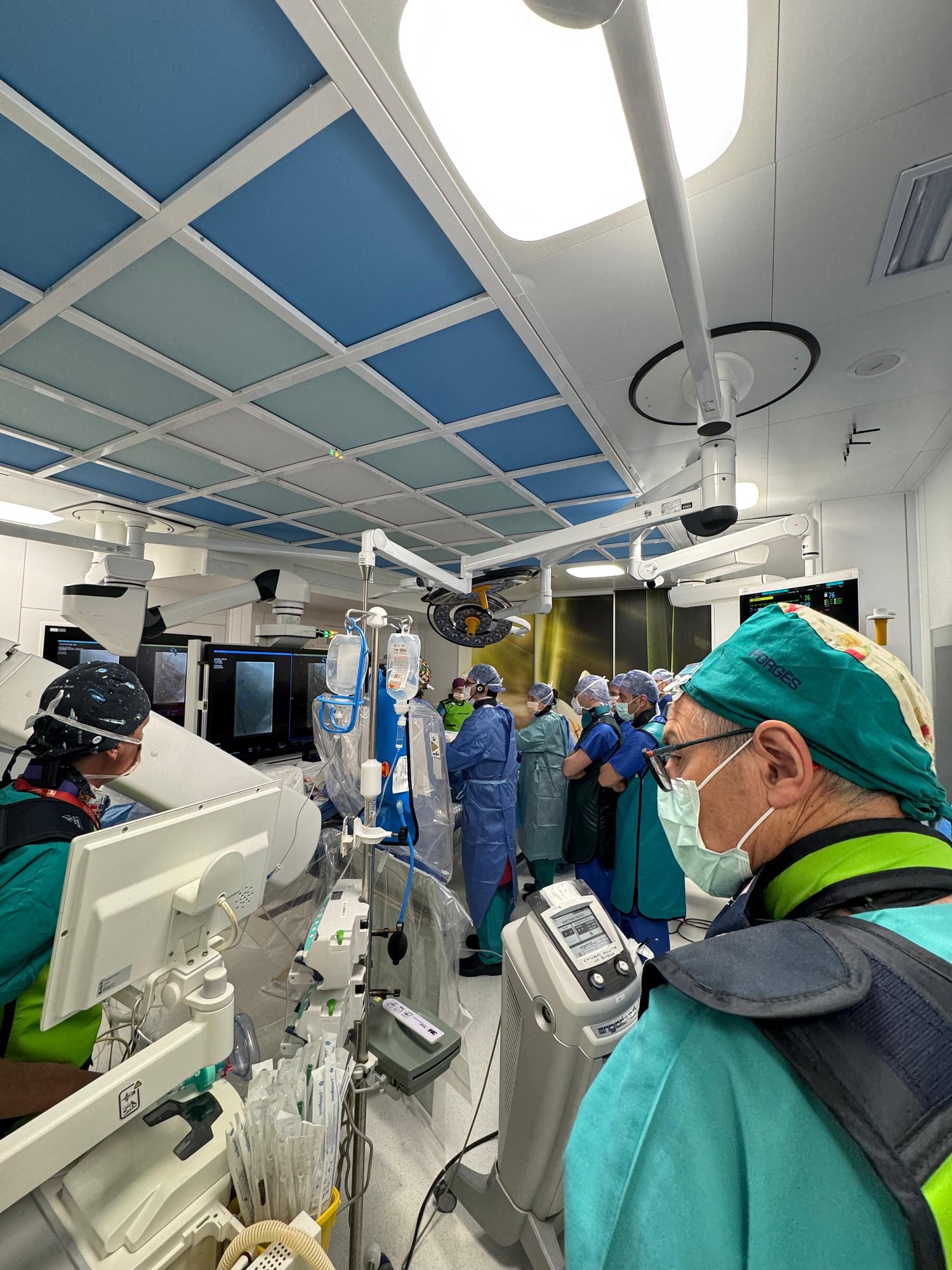
Over the years, clinicians using automated CO₂ angiography have continued to explore its application across increasingly complex peripheral vascular procedures.
- Aortoiliac interventions.
- Lower-limb procedures.
- Below-the-knee interventions.
- Renal and visceral imaging.
- Hemodialysis access.
- EVAR and increasingly advanced aortic procedures.
Each new application challenges an old assumption about where CO₂ belongs.
And every clinical experience adds another piece to a much larger transformation.
Challenging the idea of “alternative”
For decades, CO₂ has often been described as an alternative contrast agent.
We believe that definition deserves to be challenged too.
Why should a contrast medium with no direct nephrotoxicity be considered only after another option becomes problematic?
Why should protecting renal function be relevant only to patients already classified as high risk?
Why should CO₂ angiography be viewed only as a solution for contrast allergy or advanced kidney disease?
These are the questions driving the next chapter of our story.
Our ambition is not simply to make CO₂ easier to use.
It is to help the medical community investigate where a CO₂-first approach can make sense.
Not as an ideology. Not as a replacement at any cost.
But as a clinical choice that deserves to be considered on the basis of the patient, the procedure and the growing body of evidence.
.jpeg "WhatsApp Image 2026-03-06 at 16.37.58 (2)")
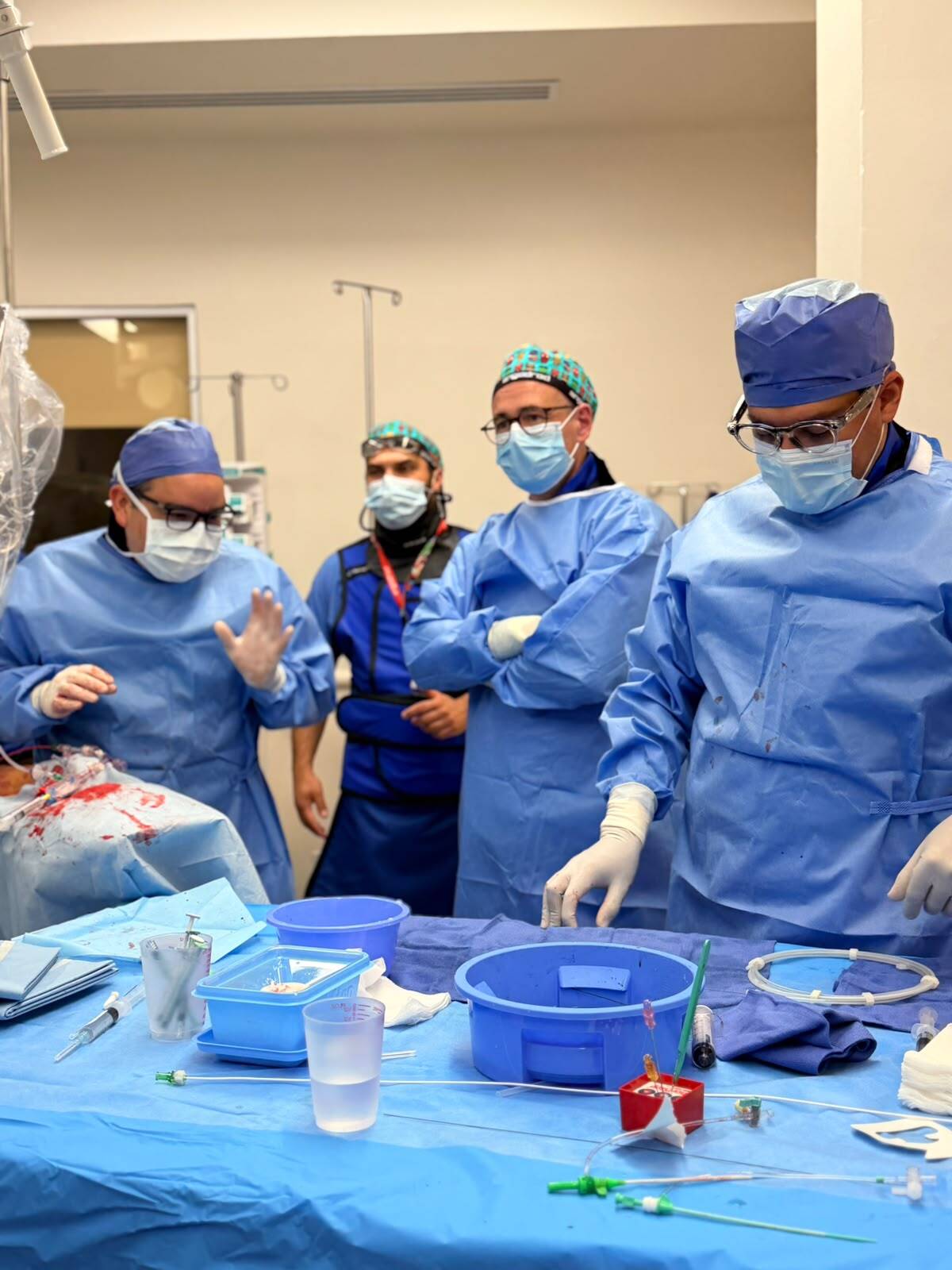
Challenging through evidence
Changing clinical practice requires more than engineering. It requires data.
For this reason, the evolution of Angiodroid has always happened alongside physicians, researchers and hospitals investigating automated CO₂ angiography in real clinical practice.
Research has explored injection parameters and standardization, image quality, peripheral interventions, aortic procedures, renal outcomes and strategies designed to reduce the use of iodinated contrast media.
Today, this work continues through clinical studies and international research initiatives investigating the role CO₂ can play in protecting renal function and supporting complex endovascular procedures.
Every publication answers one question.
And usually creates another.
That is exactly how progress should work.
Challenging through education
A new technology alone cannot change medicine.
People do.
This is why Angiodroid's challenge has never stopped at the development of the Injector.
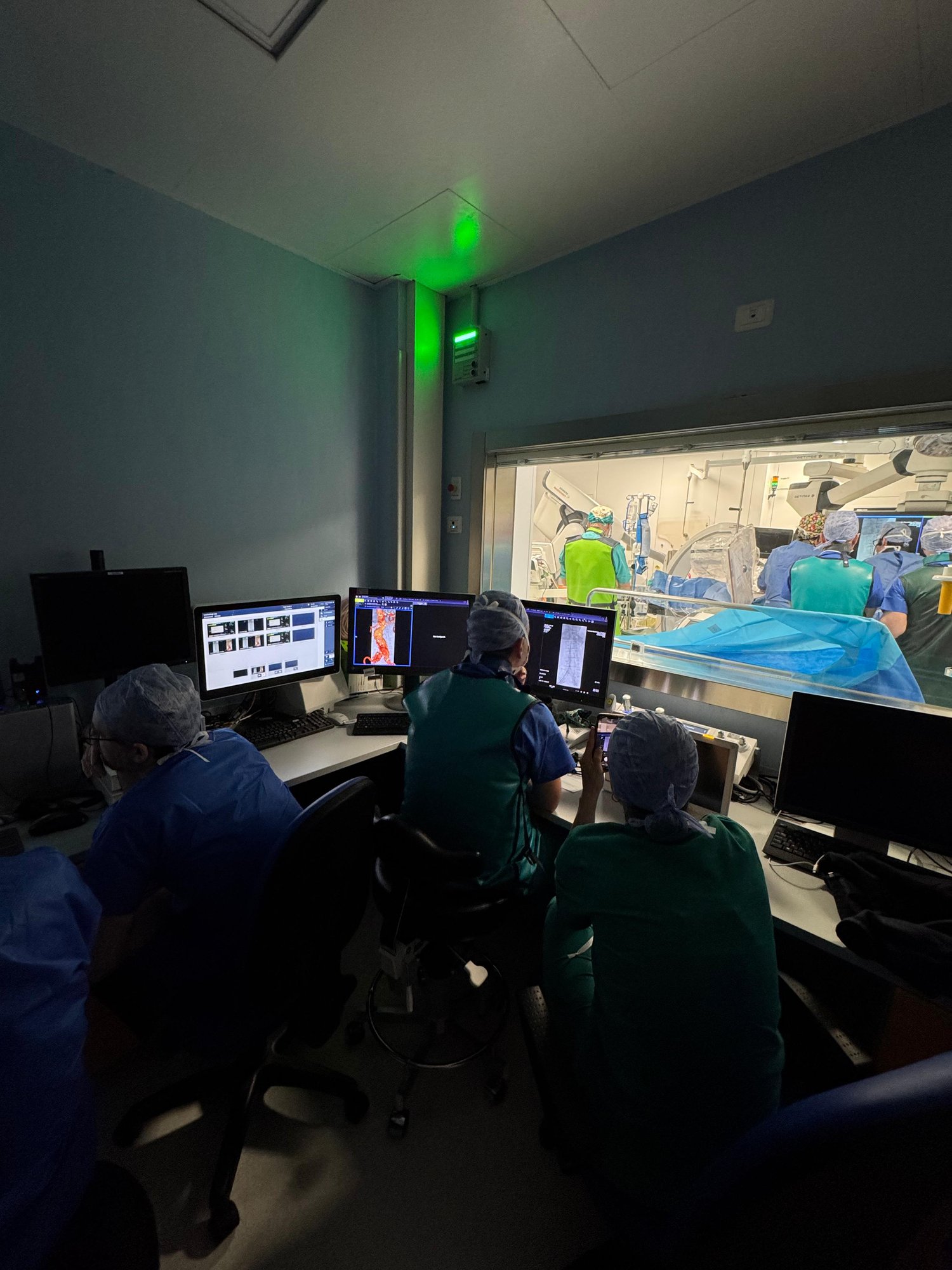
Through training, workshops, scientific collaborations, live cases, clinical discussions and the ACDA Academy, we work with physicians around the world to share techniques, experiences and protocols for Automated Carbon Dioxide Angiography.
Because standardization is not achieved by putting a machine in an angiography suite.
It happens when knowledge travels with it.
Come. Discover. Share. Challenge.
.jpeg?width=1125&height=2000&name=FYA%20(1).jpeg "FYA (1)")
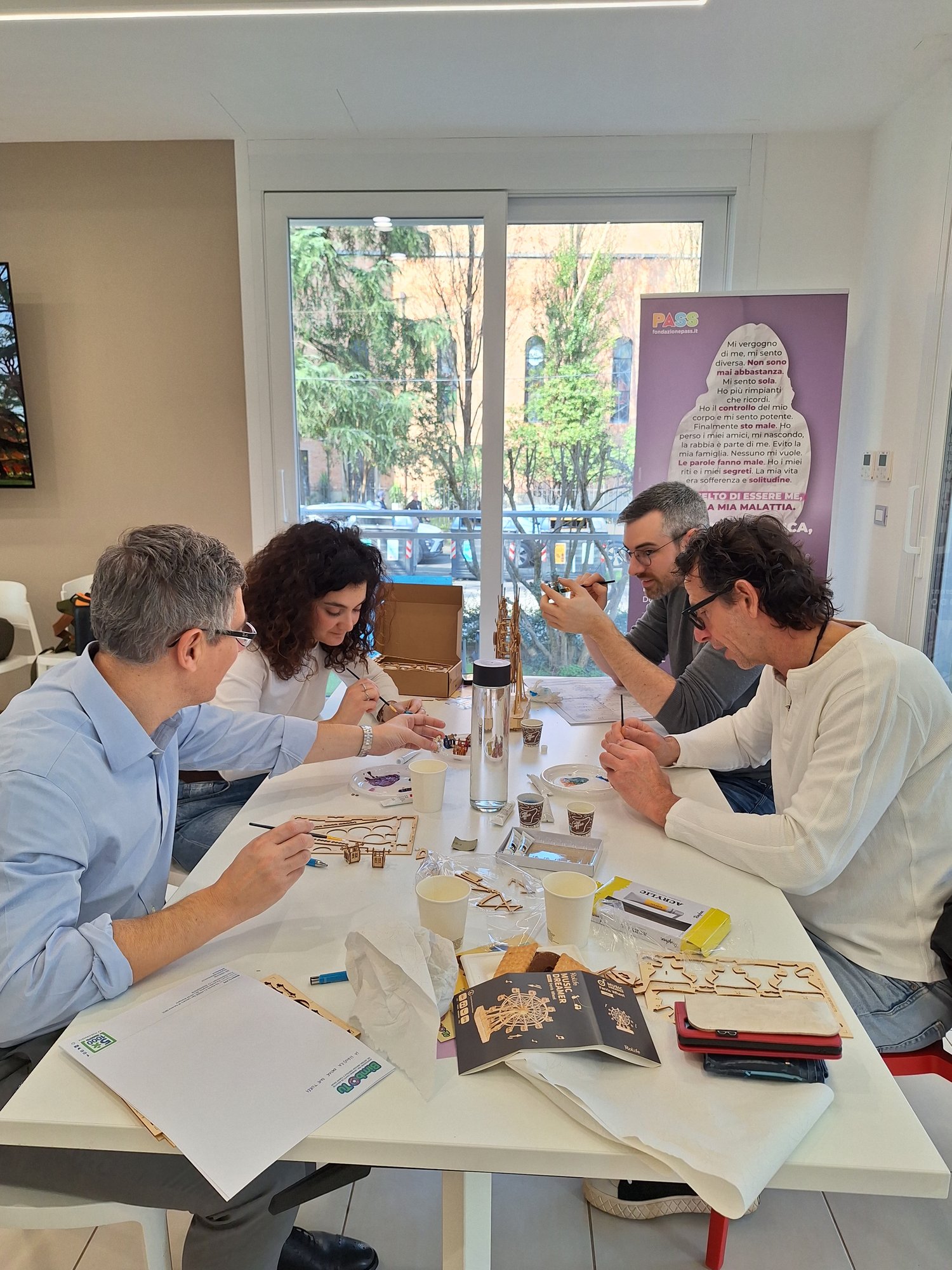
Yesterday, the challenge was automation
Today, it's the standard of care. The first challenge was technological:
Can we move from manual to automatic CO₂ injection?
Then came the procedural challenge:
Can we make CO₂ angiography controlled and reproducible?
Then the clinical challenge:
Can we use it in increasingly demanding procedures?
Today, the challenge is bigger:
Can we change the way the medical community thinks about contrast itself?
We believe safer imaging should not begin only when a patient becomes high risk.
We believe renal preservation should be part of the conversation before the procedure starts.
And we believe the role of CO₂ in angiography has not reached its limit yet.
We are still cha(lle)nging
Angiodroid was born because we refused to accept that the way something had always been done was necessarily the way it should continue to be done.
We challenged manual injection.
We challenged variability.
We challenged the limits of CO₂ angiography.
We challenged the idea that CO₂ belongs only to selected cases.
And we continue to challenge ourselves, because every new answer changes the question.
The history of CO₂ angiography did not start with Angiodroid, but we intend to help write what comes next.
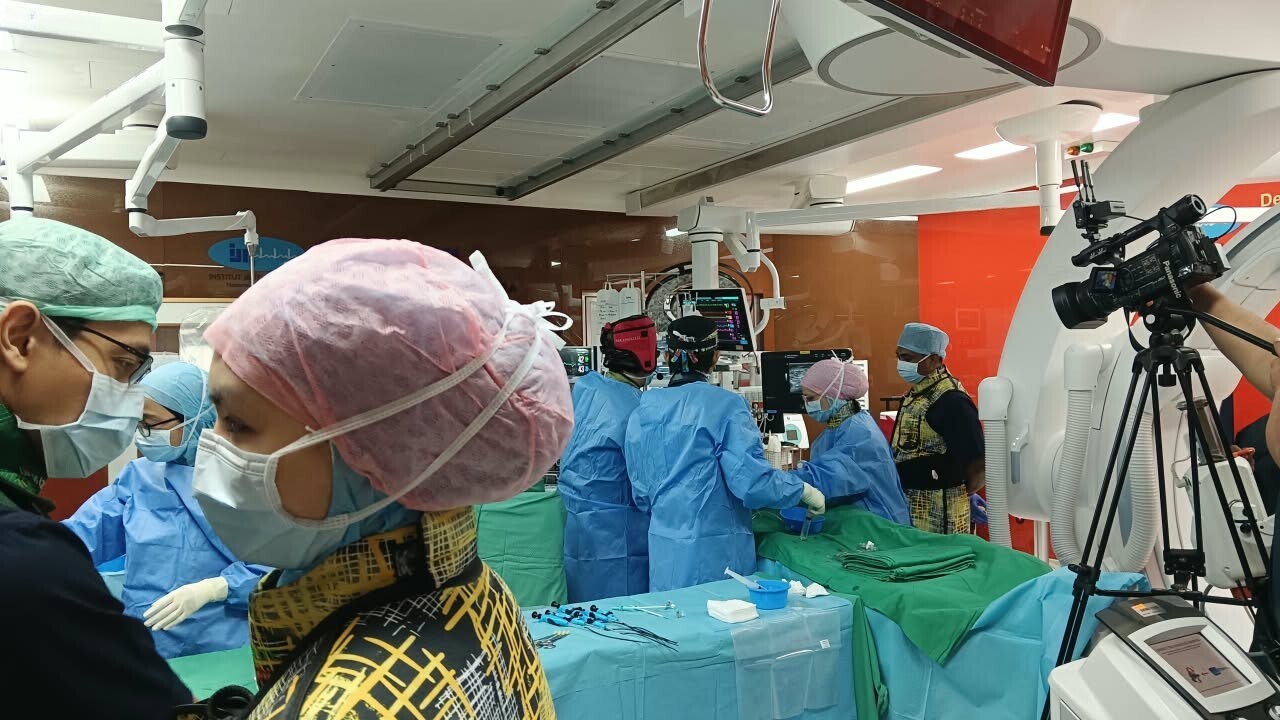
Challenge leads to the greatest changes.
Challenge the standard.
Protect what matters.
Shape what comes next.