
#SaveTheKidneys:
Not All Fruit Is Equal for the Kidneys
Not All Fruit Is Equal for the Kidneys
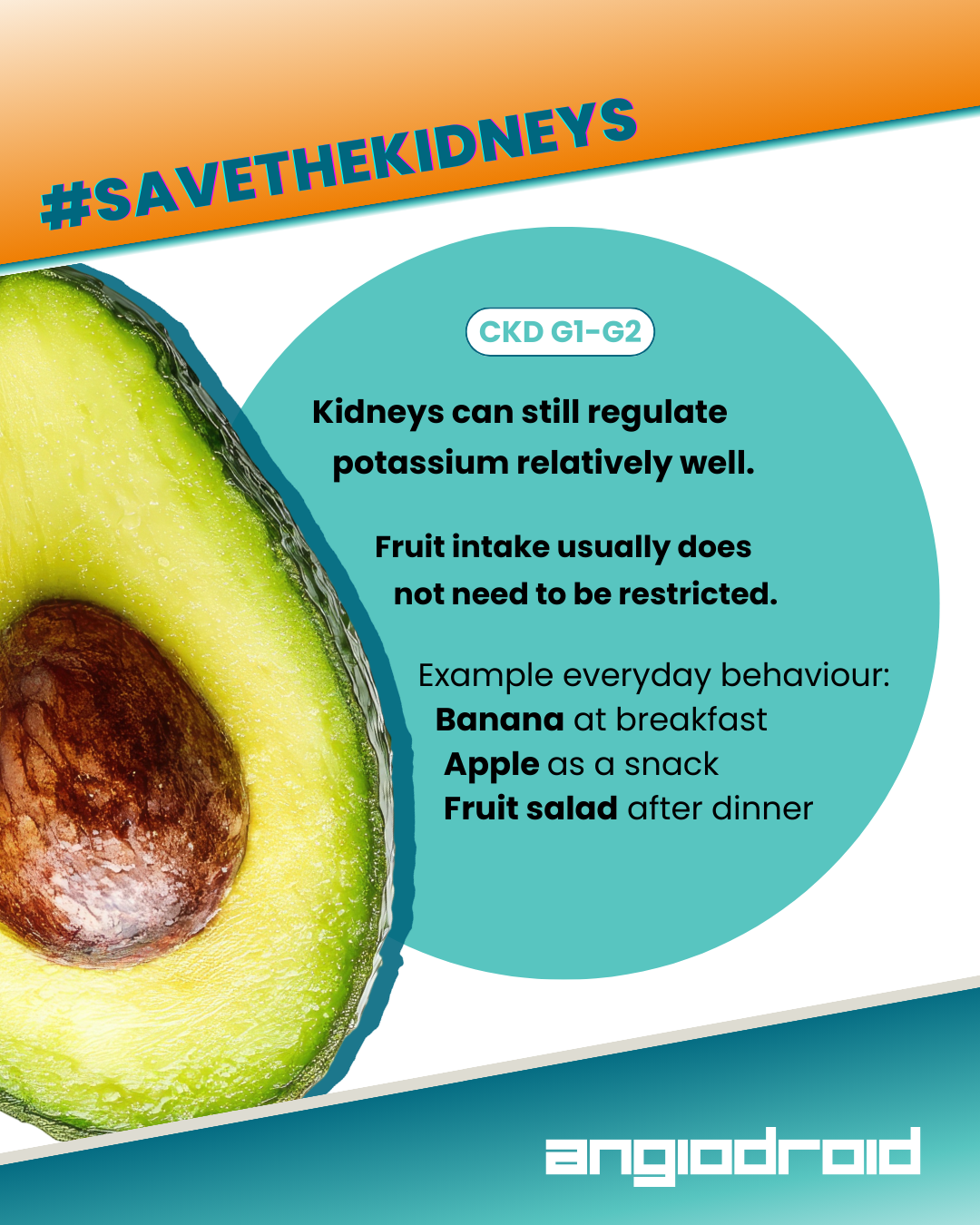
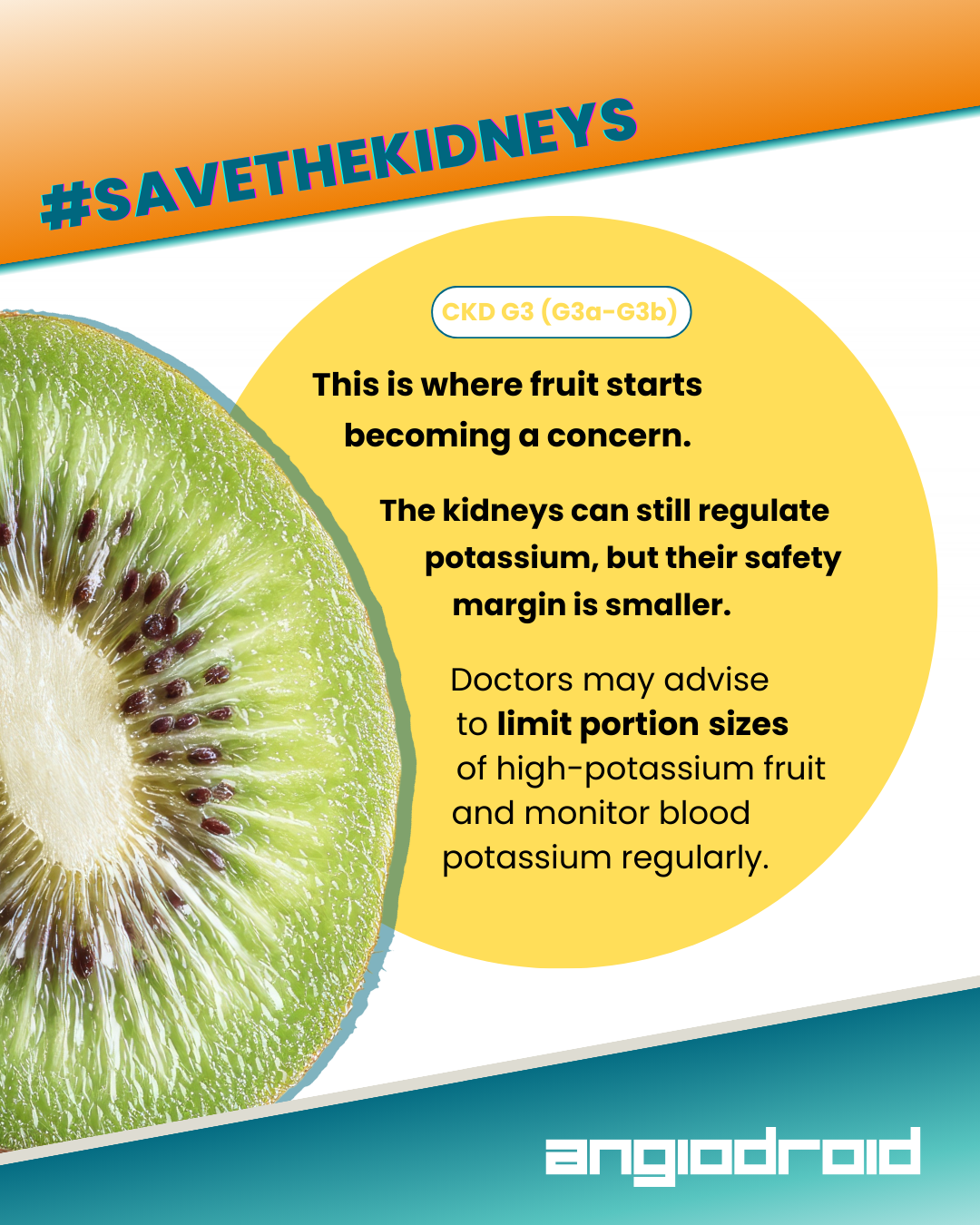
On the World Kidney Day, our #SaveTheKidneys message involves something we often take for granted: fruit is universally considered healthy. But when kidney function declines, the issue is not fruit itself — it is potassium.
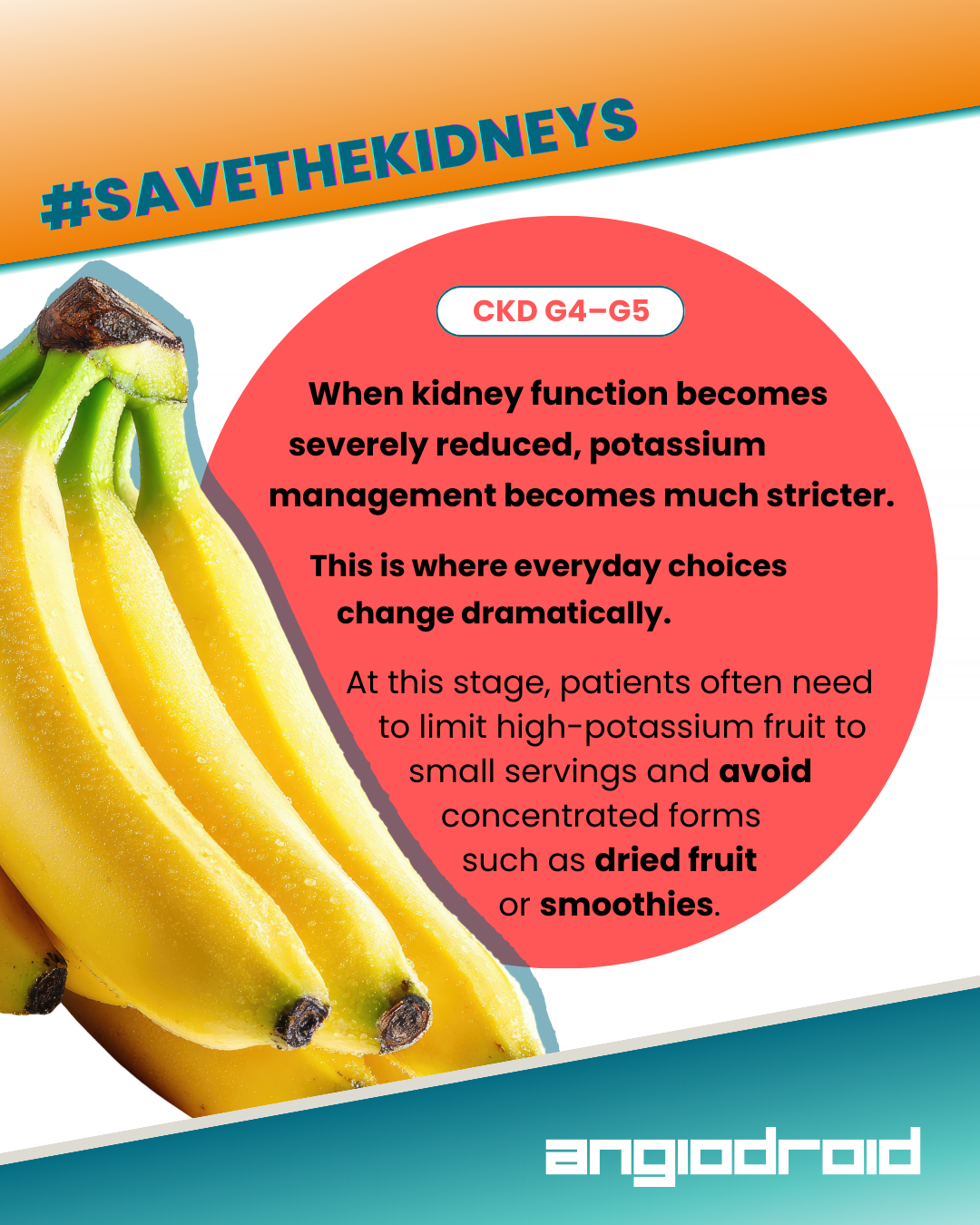
Healthy kidneys regulate potassium levels in the blood by filtering out excess amounts. When kidney function declines, potassium can accumulate in the bloodstream (hyperkalemia), which may affect heart rhythm and muscle function and can become dangerous if levels rise too high.
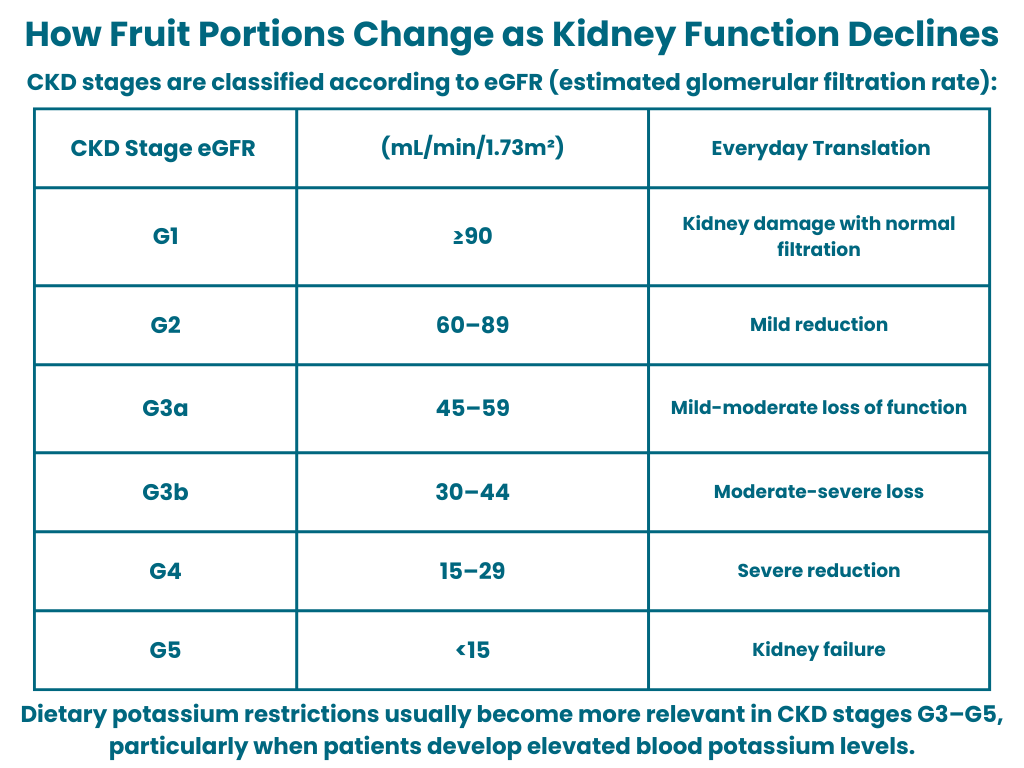
This means that some fruits that are perfectly healthy for the general population may require portion control for people with chronic kidney disease (CKD).
The key message for patients is simple:
Kidney disease rarely means “no fruit.”
It often means “the right fruit, in the right portion.”
Sources: NIDDK CKD (Potassium and CKD dietary tips/Hyperkalemia overview).
Medical disclaimer: This page is for awareness and clinician-patient communication. It does not replace individualized medical nutrition therapy. Always tailor to lab values, comorbidities, medications (e.g., binders), volume status, and local protocols.
Let’s keep “normal life” longer.
When CKD is recognized late, even pizza becomes extraordinary. If you want to discuss earlier pathways and better-informed decisions that protect kidney function and patient quality of life, we’re here.